
Adapting Your Hiring Process for Today’s Talent Market
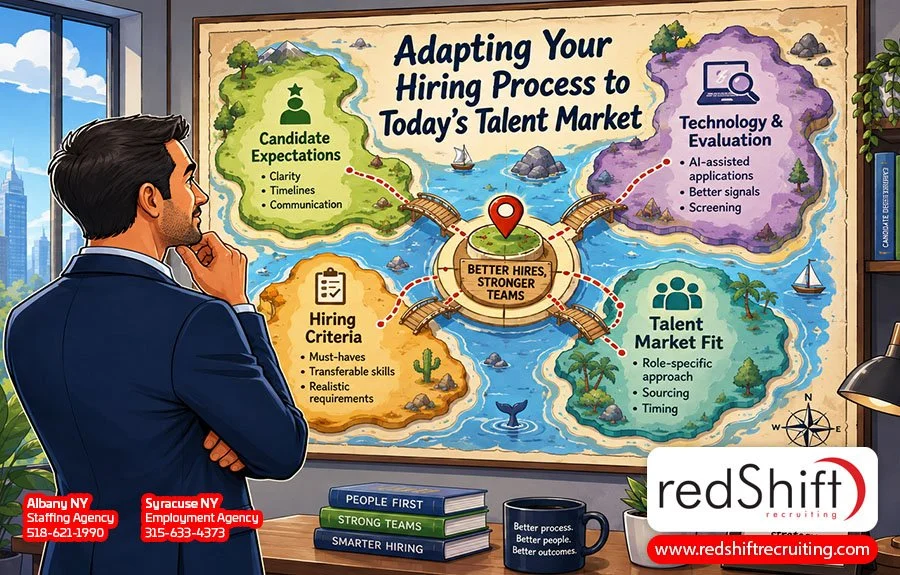
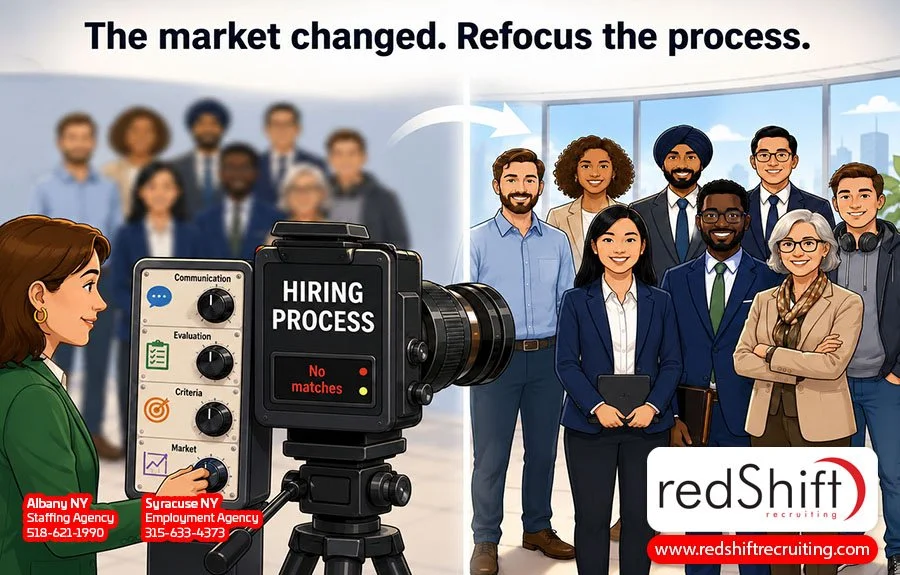
A hiring process can work exactly as intended and still produce disappointing results. The problem may not be how the process is being followed, but whether it still fits the role. Candidate behavior and talent availability may have changed, new technologies reshaped how people apply, or the skills needed for the position may no longer be the same as they were even a few years ago. When the market changes but the hiring approach stays the same, a once-effective recruitment process may no longer help hiring managers identify and engage qualified candidates.
As we discussed in How to Improve Your Hiring Process: Questions Every Employer Should Ask, employers first need to determine whether their process is working as it should. Adapting your hiring process to the current market is the next step. That means looking beyond internal process efficiency and reconsidering how candidates receive information, how employers evaluate candidates, which qualifications truly matter, and what approach makes sense for each role. A process that fits the market does more than move candidates from one stage to the next. It helps employers recognize great candidates, keep them engaged, and make better hiring decisions.
Candidate Expectations Influence Who Stays in Your Process
Candidates form opinions about an employer long before an offer is made. The information they receive, the time between updates, and the way each conversation is handled can all influence whether they remain interested in the opportunity—and how they feel about your company after the process ends.
From the beginning, candidates should understand the responsibilities of the role, the compensation range, the expected timeline, and what each stage will involve. Employers don't need to promise an immediate decision, though unnecessary delays and a lengthy hiring process rarely help. What matters more is giving candidates a realistic sense of what comes next and updating them when the timeline changes. Even a brief message shows respect for the person’s time and can keep uncertainty from turning into disengagement.
Communication becomes especially important when strong candidates are considering several opportunities or are already employed. They cannot see the internal discussions or scheduling conflicts causing a delay. Without an update, they may read poor communication as a lack of interest, indecision within the company, or even a sign that the open position is not actually open.
That silence can carry even more weight as automated screening, prerecorded interviews, and other technology make parts of hiring feel less personal. Candidates may not assume that a delayed response is due to an overwhelmed hiring manager. They may conclude that the company does not value their time, is not being fully honest about the role, or is using technology to cut costs and effort at the candidate’s expense. Fair or not, that perception can damage the employer brand and make future candidates less willing to engage.
Expectations can also differ by talent market. Someone approached directly for a specialized role may want more detail and context before agreeing to complete a formal application process. Meanwhile, candidates applying to a high-volume opening may place greater value on clear instructions and simple scheduling. That doesn't mean employers need to create a completely different procedure for every applicant, but they should consider whether their communication strategy fits the role and the circumstances of the search.
A positive candidate experience depends less on constant contact than on clarity, honesty, and follow-through. When employers explain what candidates can expect and keep them informed when circumstances change, they protect the interest they worked hard to build. In contrast, when communication breaks down, the best candidates may move on—and may remember the experience long after the position has been filled.
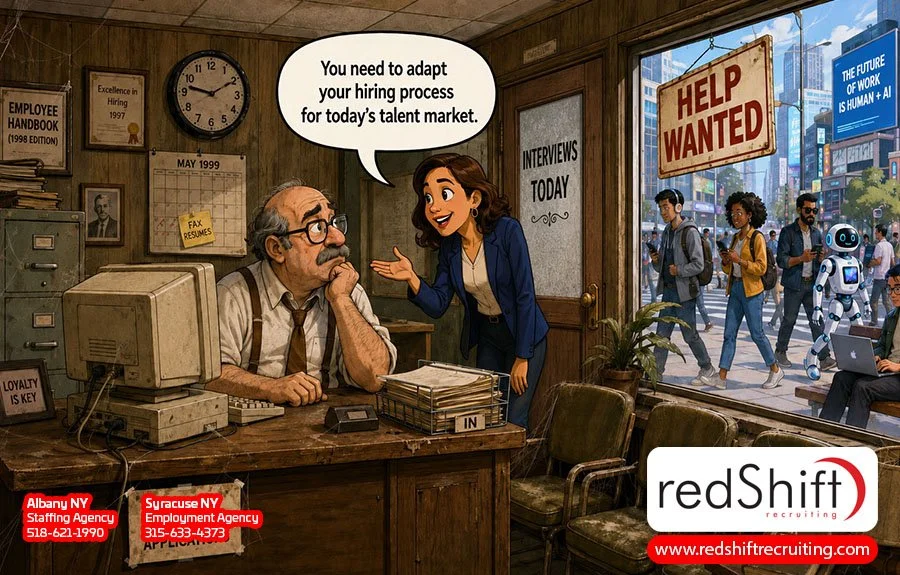
Technology Has Changed How Employers Evaluate Applicants
Applying to many jobs can take far less time than it once did. Online forms, saved profiles, one-click applications, and AI tools allow job seekers to submit more resumes with less effort. That convenience cuts both ways: it makes the application process easier for job seekers, but it can also produce a larger pool of unqualified candidates when people apply broadly without first determining whether their experience fits the role.
More applications do not automatically mean more qualified or interested applicants. They do, however, create more work for employers. A hiring team may not have the time or resources to review every resume closely, which can lead companies to rely more heavily on automated filters and AI-assisted screening. Candidates, meanwhile, may receive quick rejections with little explanation and conclude that no one considered their experience. That frustration can encourage even more mass applying, creating a cycle in which employers receive more applications, depend more heavily on automation, and give candidates even less reason to be selective.
The application materials themselves have changed as well. AI-assisted resumes and cover letters can help every candidate easily produce polished materials that demonstrate experience and use the right terminology from the job description. In some cases, that can help make hiring fairer by helping people with language barriers or weaker writing skills explain their qualifications more clearly.
At the same time, this means presentation alone reveals less than it used to. A polished resume may reflect direct experience or great talent, but it may also simply demonstrate effective use of an AI writing tool. Employers therefore need to look beyond surface-level wording to understand what a candidate has actually done and whether that experience transfers to the position requirements.
The screening process has to provide information the resume no longer can. When AI can help almost any applicant create a professional-looking resume or prepare polished interview answers, employers need questions that invite detail, follow-up, and context. Used consistently, these methods can make it easier to compare candidates using relevant evidence while limiting the influence of presentation style, familiarity, or unconscious bias. Recruiters need to uncover what candidates actually know and can do, regardless of who submits the smoothest application or gives the most rehearsed answer.
That may require better signals earlier in the interview process, from focused screening and structured interview questions to relevant work samples that can help employers move from well-worded claims to specific evidence. However, fair evaluation requires attention to the full hiring approach. Inclusive language in job postings and diverse interview panels can give qualified candidates a fairer opportunity to advance, while AI hiring tools should be regularly audited to make sure automated decisions are not creating or reinforcing implicit bias.
Employers also need to balance faster technology with growing candidate expectations around communication and accountability. High application volume should not automatically mean adding more filters, more automation, or more rigid processes. Those barriers can make evaluation more complex without making it better, while giving the best candidates more time and reason to move on. Although better hiring tools can support a streamlined hiring process, an employer’s AI strategy should work alongside its candidate communication and evaluation strategies, not replace them.
Make Sure Your Hiring Criteria Are Realistic
Before recruiting begins, employers should confirm that the posting reflects the role they are actually trying to fill. Outdated orunclear job descriptions, along with requirements carried over from an earlier version of the position, can narrow the candidate pool before anyone applies.
Every qualification changes who can realistically be considered. A degree, specific experience level, exact industry background, or strict location requirement may each have a purpose. Put them together, however, and employers may be searching within a very small group of potential candidates. Separate true must-haves from credentials that merely suggest value, and consider whether relevant experience could demonstrate the same knowledge or ability.
That doesn’t mean lowering standards; it means identifying the knowledge and ability someone truly needs on day one and asking what each requirement is meant to prove. A master’s degree, for example, may be valuable, but relevant experience could provide the same knowledge. Company-specific software, internal procedures, and other details can often be learned by new hires through onboarding and experience. And a candidate from a related industry may already have the underlying skills to succeed without the expected title, degree, or exact software background.
Requirements should also make sense alongside the role’s responsibilities, level, and compensation. Asking for five years of experience while offering entry-level pay is likely to produce a much smaller candidate pool, and significant discrepencies between the offered and expected pay rate can make an open position extremely challenging to fill. Employers cannot keep raising expectations while assuming compensation, hiring speed, and the available job market will remain unchanged.
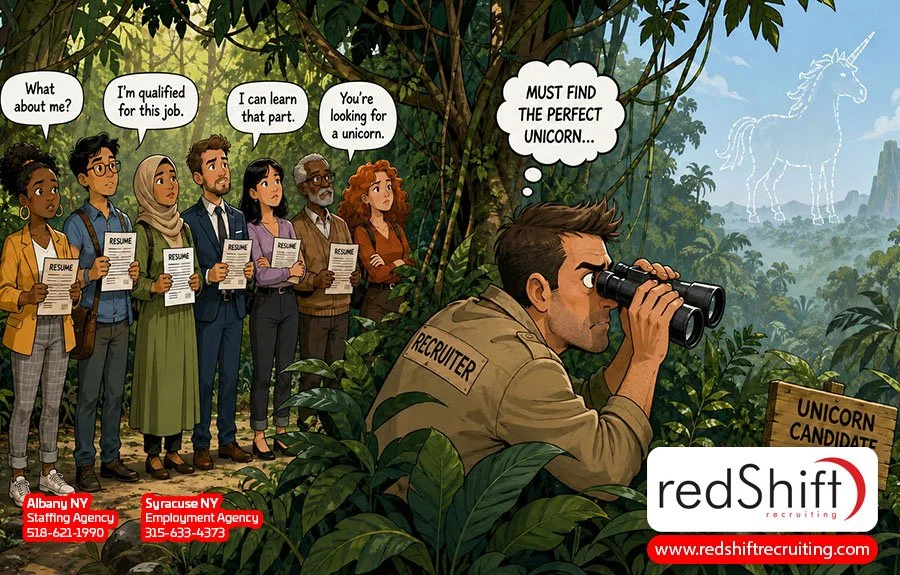
Of course, each choice comes with tradeoffs. More experience usually requires higher pay. A rarer skill set may lead to a longer search. Hiring someone from a broader background may require more training after they start. Employers should decide which tradeoffs they can accept before recruiting begins rather than waiting indefinitely for a unicorn candidate who may not exist at the offered level and salary.
Ultimately, a shortage of qualified applicants doesn’t always mean the market lacks talent. Sometimes it means the definition of “qualified” has become so narrow that capable people never enter the pool. More realistic criteria can widen the search while protecting the standards that truly matter.
Match the Hiring Process to the Current Talent Market
The same hiring approach will not work equally well for every opening. Different roles may require different sourcing channels, screening methods, timelines, and levels of communication based on how most candidates in that market search and make decisions.
Before recruiting begins, employers should consider:
Are qualified candidates actively applying, or will recruiters need to approach them?
How many viable applicants are likely to exist?
How long are most people in this talent market willing to wait before accepting another offer?
Which screening methods best reveal the capabilities needed for the role?
How much evaluation is necessary, and how many rounds of interviews will genuinely improve the decision-making process?
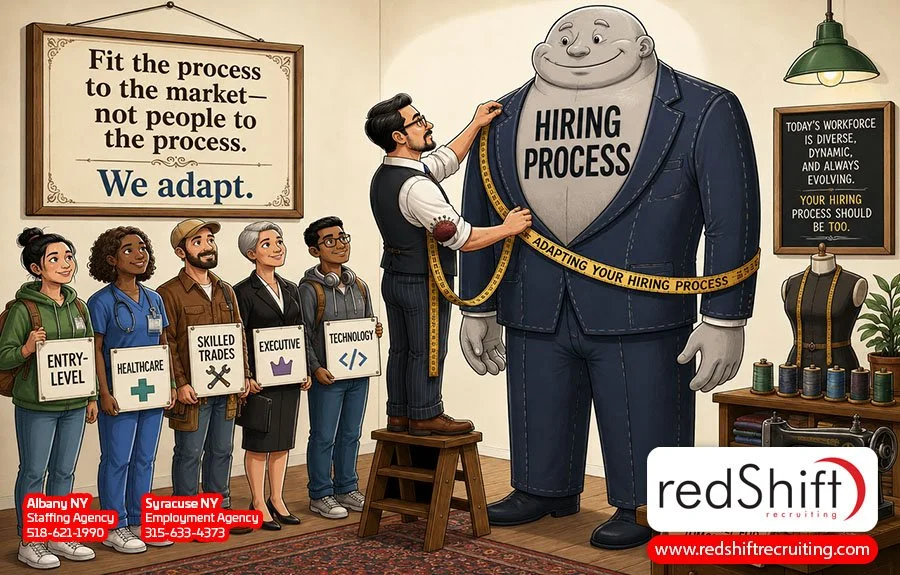
Every job is different. A process built mainly around reviewing incoming applications will not work well when top talent is already employed and unlikely to apply on their own. A high-volume production role may need clear minimum qualifications, quick early screening, and reliable ways to schedule interviews. An entry-level search may place more weight on projects, internships, and learning ability than on previous titles. On the other hand, a specialized technical opening may require direct outreach and faster follow-up once a qualified candidate shows interest. And a senior search may justify deeper evaluation, but each conversation should add new information, not just new people to the conversation.
Ensuring the recruitment process is appropriate for the job helps organizations align hiring with both business strategies and workforce needs. Employers should also evaluate results by role rather than relying only on broad, company-wide hiring averages. Candidate withdrawal, response rates, time between stages, offer acceptance, and the percentage of applicants who meet essential requirements can help them measure success and identify where the approach may not fit the market.
A standard process may feel consistent internally and still be poorly suited to the people an employer needs to reach. Ultimately, effective talent acquisition requires adjusting sourcing, communication, evaluation, and timing to the realities of each search rather than asking every candidate to move through the same system.
Frequently Asked Questions
How Can Employers Tell When Their Hiring Process No Longer Fits the Market?
Warning signs may include low response rates, frequent candidate withdrawals, declined offers, or a large applicant pool with few viable potential hires. Employers should measure success by role, since the same timeline or sourcing approach may work well for one market while causing top candidates to leave another.
How Can Employers Adapt Their Process Without Lowering Hiring Standards?
Adaptation means defining standards more carefully, not abandoning them. Employers should focus on the abilities needed to perform the work and avoid using credentials, career paths, or vague alignment with core values as substitutes for evidence. This can help capable candidates, including those from underrepresented groups, receive fair consideration without weakening the requirements that truly matter.
Should Internal Candidates Be Evaluated Differently From External Candidates?
Internal candidates should meet the same essential requirements as external applicants, but employers should also account for what they have already demonstrated as current employees. Familiarity with the organization should not automatically count for or against them. Their performance, transferable skills, and readiness for the new role should still be assessed fairly using the same criteria as new potential hires.
Should Every Role Have a Different Interview Process?
Employers can maintain a common framework while adjusting the interview process to the role’s complexity, risk, and talent market. The right number of interviews, assessments, or background checks depends on what is genuinely needed to make the decision; adding steps simply because they are standard can cause the best talent to move on.
Which Hiring Best Practices Matter Most for a Difficult-to-Fill Role?
Start by reviewing compensation, true must-haves, candidate availability, communication, and decision speed before adding more requirements. Depending on the role, effective best practices may include proactive outreach, broader geographic searches, remote work options, or reconsidering how the organization reaches top talent. Experienced recruiters can help employers understand where qualified people are available and which adjustments are most likely to improve results.
Conclusion: The Process Should Change When the Market Does
A hiring process does not need to be broken to stop working well. It may simply be out of step with the market it’s meant to serve. Employers can respond by updating how they communicate with candidates, evaluate experience, define qualifications, and approach different roles. Speed and complexity alone do not make a hiring process effective. What matters more is whether it helps employers recognize the right candidate, keep that person engaged, and make a sound decision before the market moves on.

Article Author:
Ashley Meyer
Digital Marketing Strategist
Albany, NY