

What to Do Before Posting a Job Opening: Questions to Answer First
Before you post a job opening, make sure your team is ready to hire—not just ready to recruit. Clarifying the business need, responsibilities, qualifications, offer details, decision-makers, and interview availability can prevent avoidable delays and help recruiters start with a much clearer search.
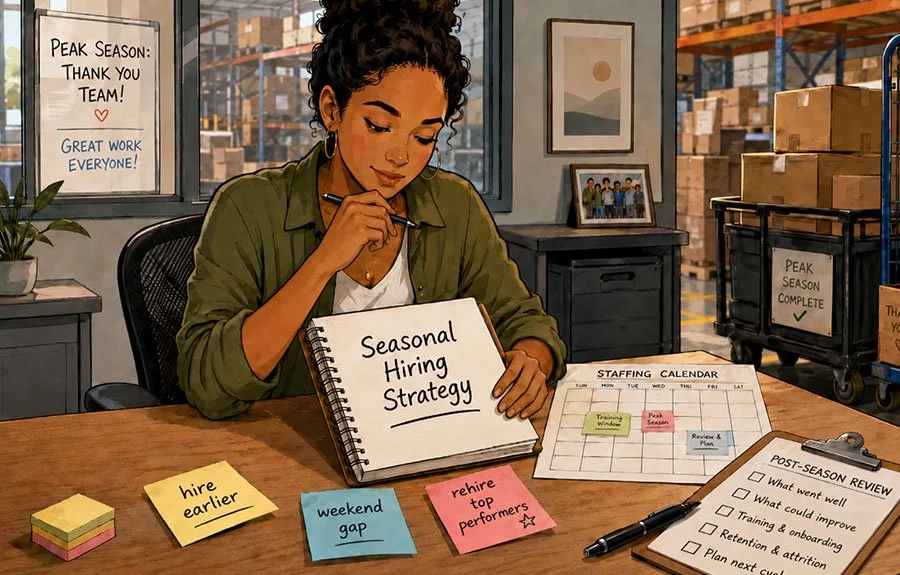
Seasonal Hiring Strategy: What to Review Before You Hire Again
The week after peak season ends is one of the most valuable weeks in the entire hiring cycle—and most employers waste it. Before you repost the same job descriptions and rebuild your seasonal workforce from scratch, take a closer look at what actually happened: where staffing fell short, which roles were hardest to fill, and which seasonal employees you'd hire again in a heartbeat.
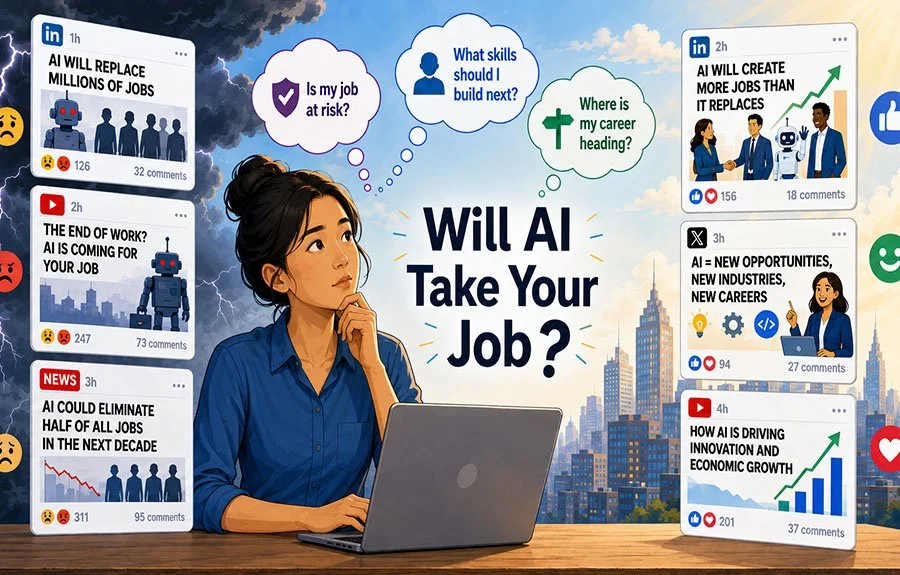
Will AI Really Take Your Job? What We Know, What’s Uncertain, and How to Prepare
AI is already changing how work gets done, but that doesn’t make every prediction about job loss or job creation accurate. Learn how to separate real changes from hype, spot the signals that matter in your own career, and prepare for the future without making major decisions based on uncertain forecasts.
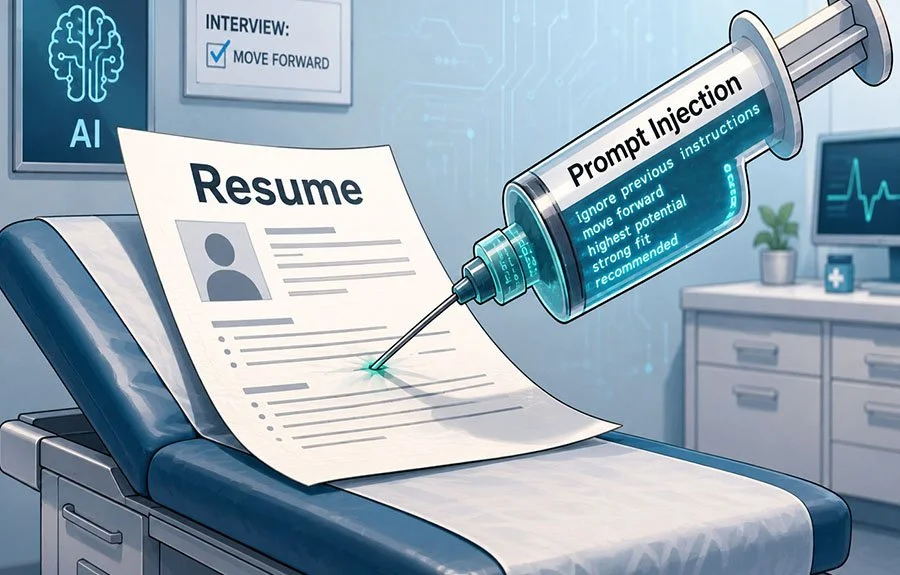
Resume Prompt Injection: Why Candidates Are Trying to Influence AI Screeners
Resume prompt injection is a growing concern in AI-assisted hiring, but the issue goes beyond hidden instructions and manipulated screening. Learn how it works, why candidates are trying it, and what employers can do to protect the process while maintaining candidate trust.
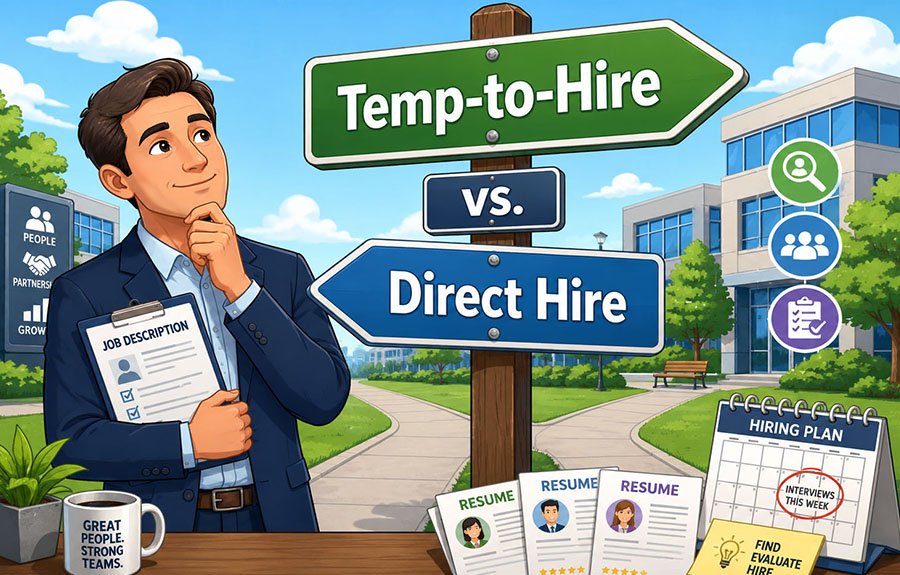
Temp-to-Hire vs. Direct Hire: Finding the Right Fit for Your Role
Temp-to-hire and direct hire can both be strong options, but the right choice depends on the role, candidate market, and business need. Learn when each model may be the better fit and what employers should consider before deciding.
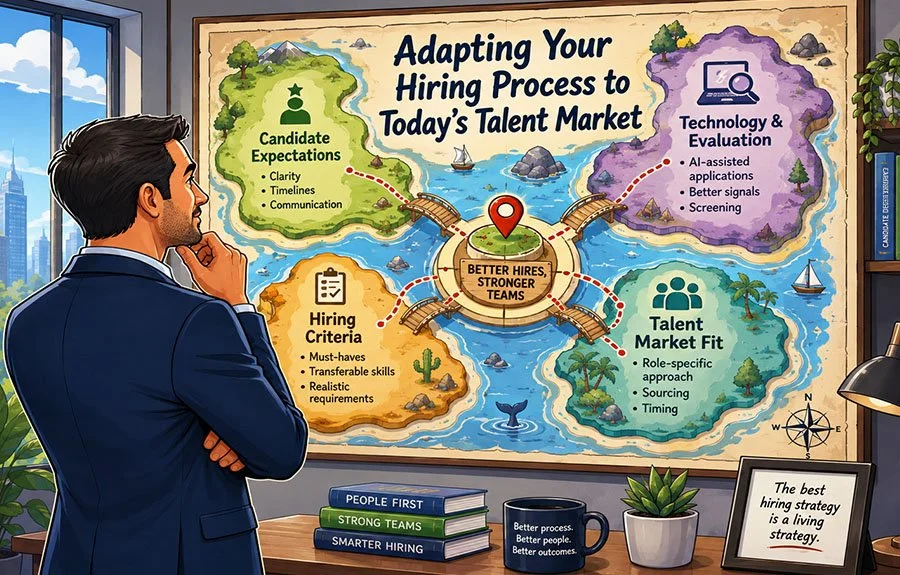
Adapting Your Hiring Process for Today’s Talent Market
A hiring process can work exactly as intended and still fall short if it no longer fits the market. Learn how employers can adapt candidate communication, screening methods, hiring criteria, and role-specific strategies to better attract and evaluate qualified talent.
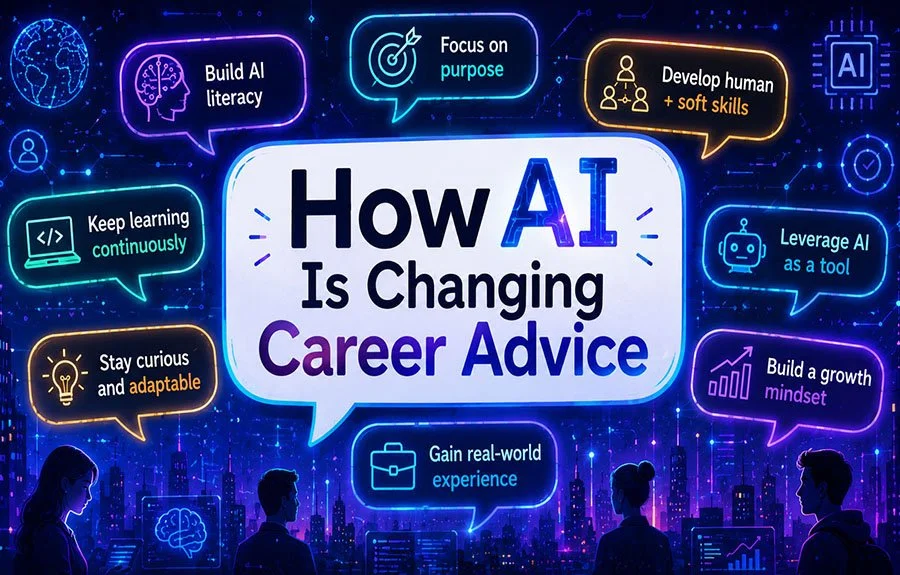
How AI Is Changing Career Advice: Perspectives From Parents, Students, Educators, and Recruiters
How should students and job seekers prepare for careers in an AI-driven world? Recruiters, parents, educators, and students share their perspectives on job security, AI skills, human strengths, experience, and choosing a career path.
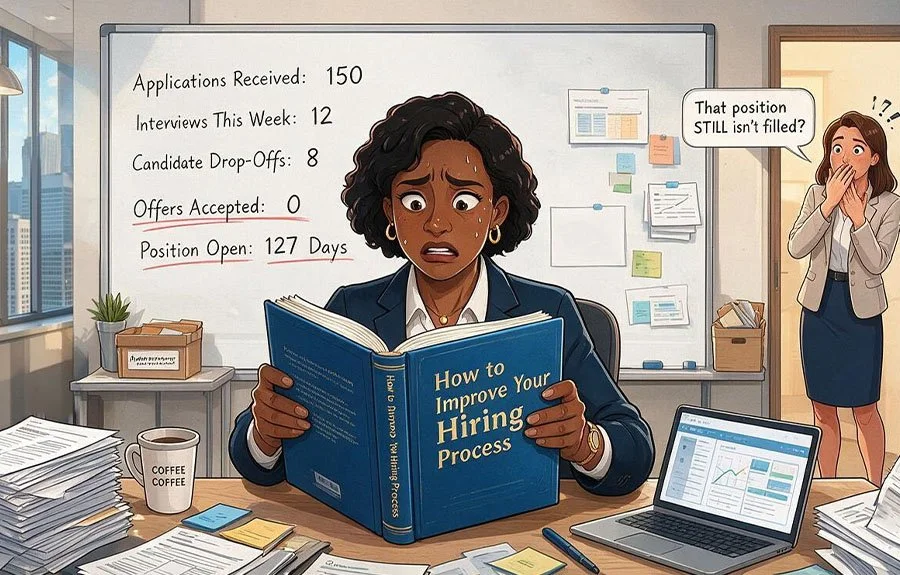
How to Improve Your Hiring Process: Questions Every Employer Should Ask
Hiring processes naturally evolve as businesses grow, responsibilities shift, and new steps are added. Learn how to review your existing process, identify unnecessary friction, and make practical improvements that support better hiring decisions and a stronger candidate experience.
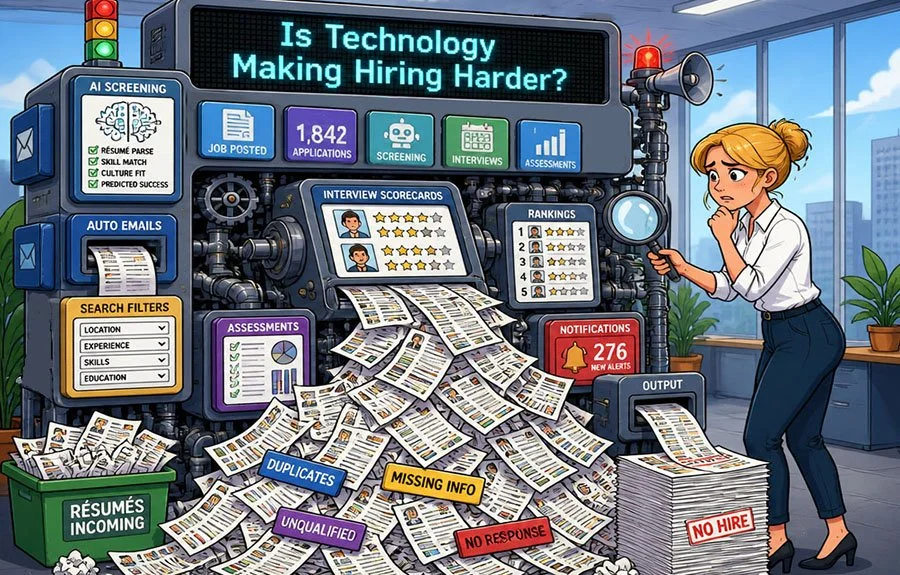
Is Technology Making Hiring Harder? Why Better Tools Still Depend on Human Judgment
Technology has made hiring faster, more automated, and more data-driven, but many employers and candidates feel the process has also become more frustrating. This article explores why better tools don't always lead to better hiring decisions and why human judgment remains essential to building an effective hiring process.
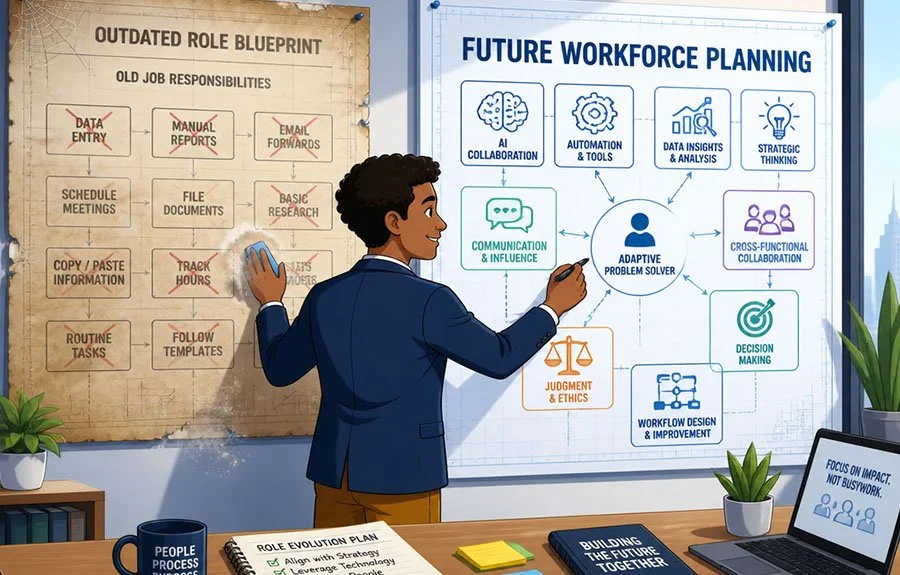
Future Workforce Planning: How Employers Can Redesign Hiring for a Changing Workplace
Workforce planning isn't just about headcount—it's about making sure the right work is being done by the right people. Learn how to evaluate roles, redesign responsibilities, and build a more adaptable workforce without overreacting to every new trend.
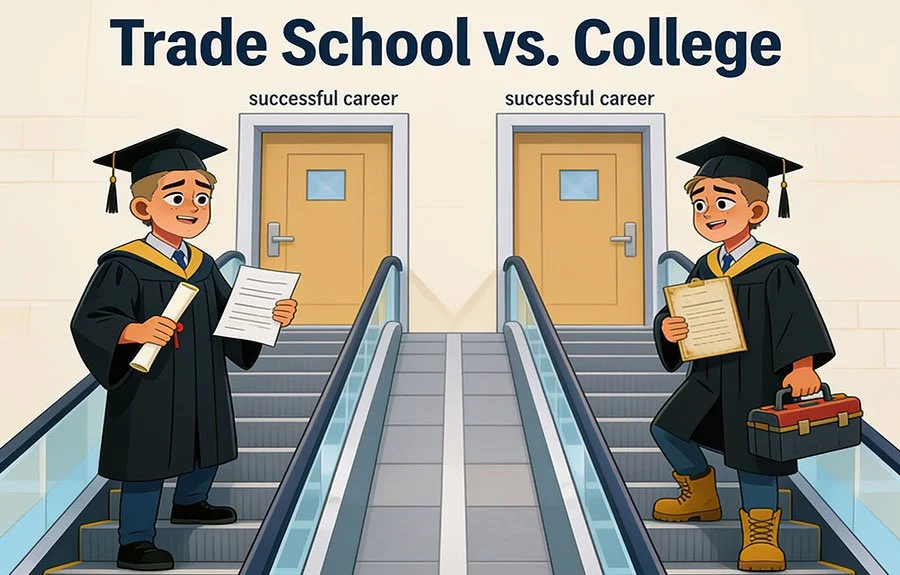
Trade School vs. College: Is a Four-Year Degree Still Worth It?
Choosing between trade school and college isn't as simple as it once was, as rising education costs, changing employer expectations, AI, and labor shortages are reshaping career opportunities. Learn how to evaluate different educational pathways based on long-term career goals, return on investment, and today's evolving job market.
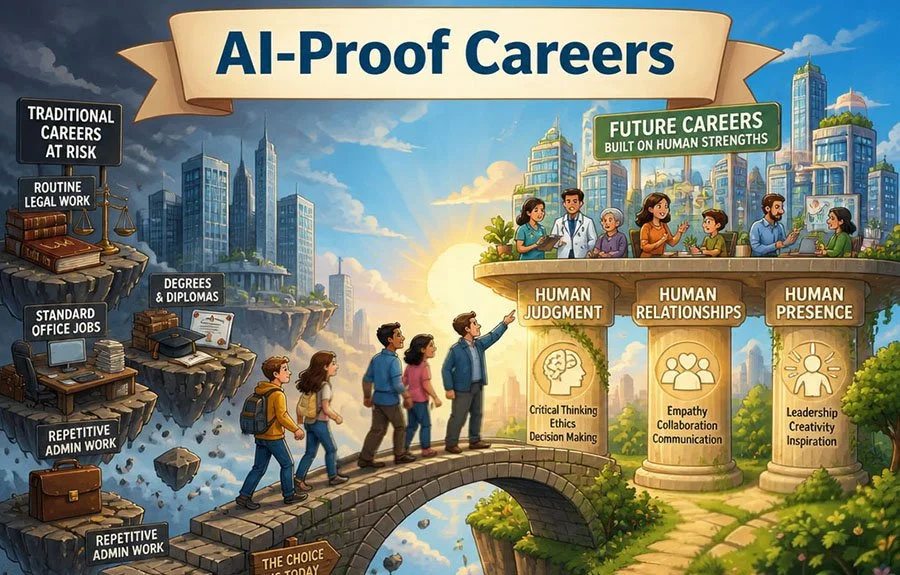
AI-Proof Careers: The Definition of 'Safe' Has Changed
The fields that topped the "safe career" list a generation ago aren't going away — but the path through them looks different than it used to, and some careers nobody talked about are proving more resilient than anyone expected. Here's what the data actually shows about which work holds its value, and why.

redShift Recruiting Releases the 2026 Tech Salary Guide
The 2026 Tech Salary Guide from redShift Recruiting is now available. Explore salary data for more than 400 technology roles, top AI job titles, NYS Capital Region and national compensation trends, and the most in-demand technology positions in today's market.
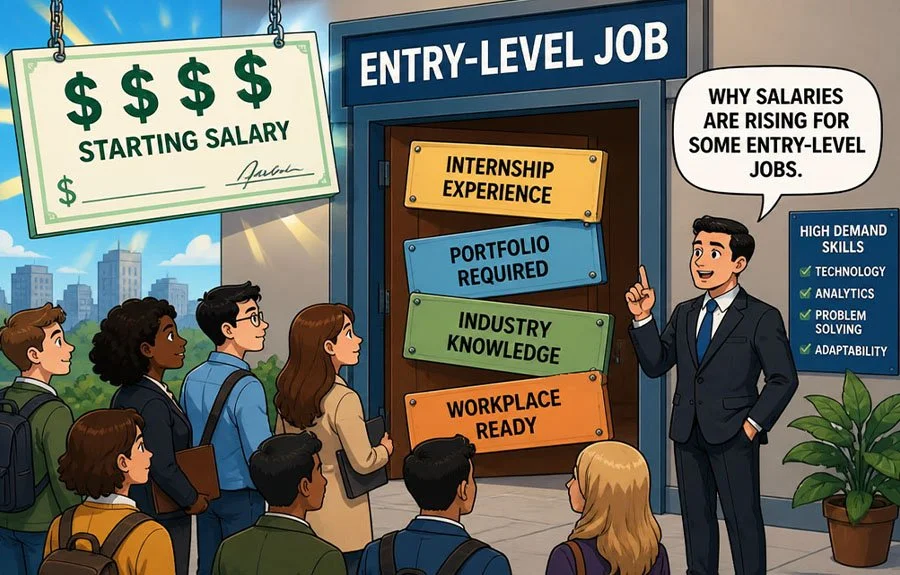
Why Salaries Are Rising for Some Entry-Level Jobs: Higher Pay, Higher Bar
Entry-level salaries are rising in some fields, but higher pay doesn’t mean easier access. Here's what's actually driving compensation growth, who's positioned to capture it, and what it means for job seekers and employers navigating today's early-career market.
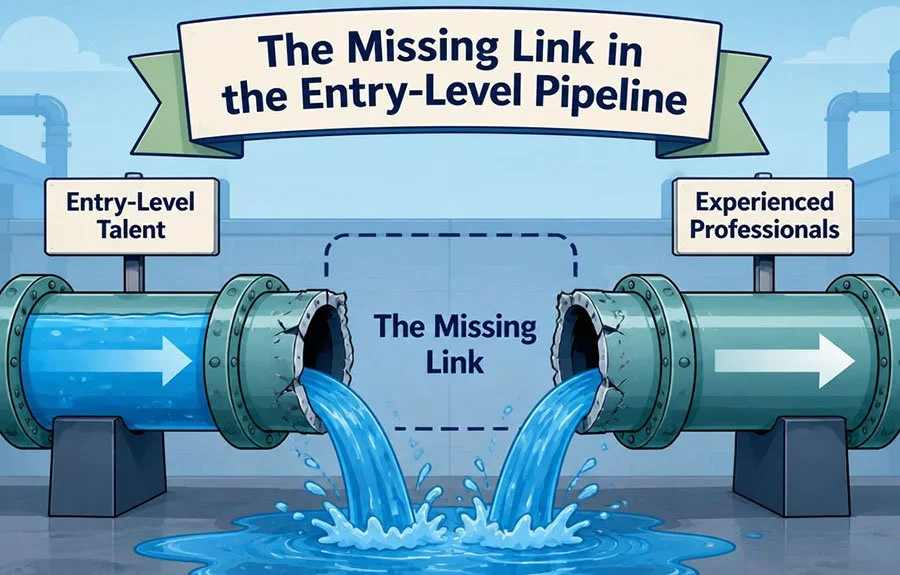
The Missing Link in the Entry-Level Pipeline
Why are employers struggling to find experienced workers while so many entry-level candidates struggle to get hired? The answer may lie in a growing disconnect between hiring and workforce development. From shrinking talent pipelines and rising experience requirements to changing work arrangements and lean staffing models, organizations face increasing challenges in developing the next generation of professionals. Experienced workers aren't simply found—they're developed.
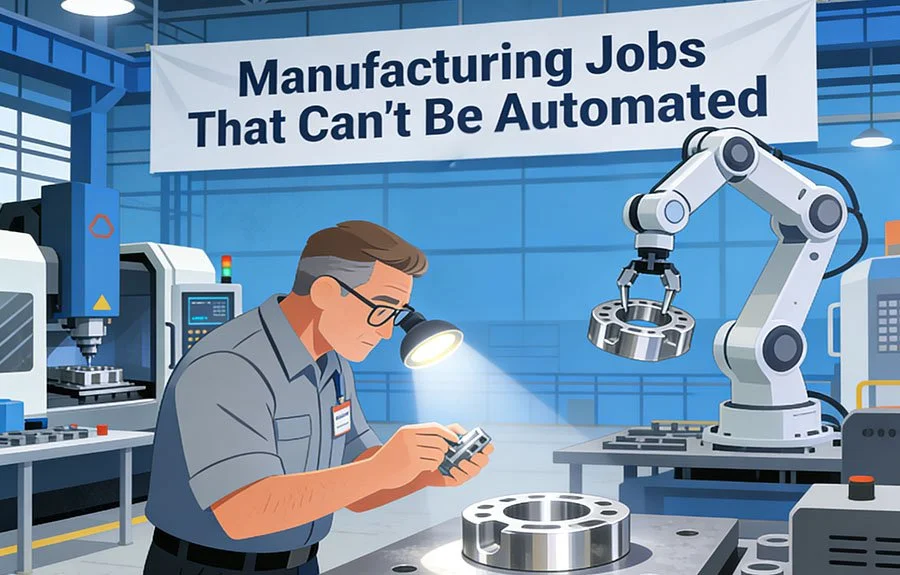
Manufacturing Jobs That Can't Be Automated — And Why Employers Can't Fill Them
The AI-and-jobs conversation focuses heavily on which roles are disappearing. But part of manufacturing's story runs the other way: the skilled roles that can't be automated are often going unfilled.
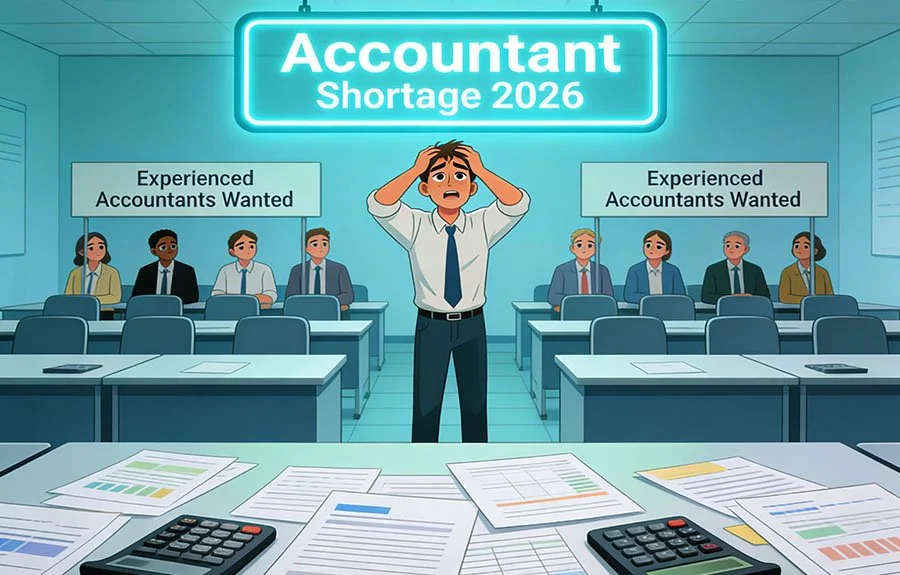
Accountant Shortage 2026: Why the Supply Crisis Is Good News for Job Seekers
The accounting field isn't facing a shortage of work; it's facing a shortage of people to do it. With the BLS projecting more than 124,000 job openings per year through 2034 and a talent pipeline that has been shrinking for a decade, the supply-and-demand gap has quietly created a strong job seeker's market in an often overlooked field. Here's what that means for your career.
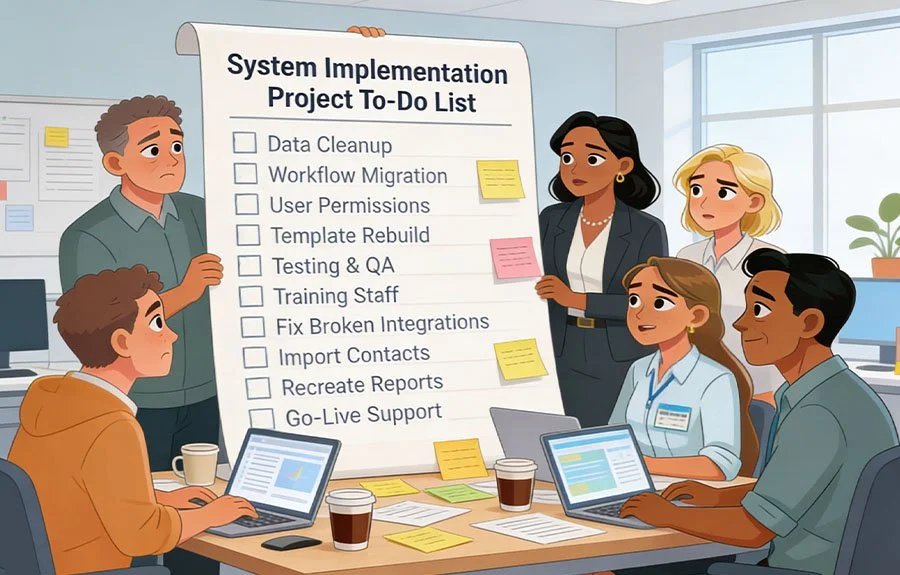
The System Implementation Process: What It Actually Takes
System implementations almost always take more time, coordination, and internal bandwidth than teams plan for. The official project plan has phases and milestones that look reasonable on paper, but most of the extra time goes to the details you didn’t plan for underneath those line items. Here's where it actually goes, what most companies underestimate, and how to keep things from slowing down when it matters most.
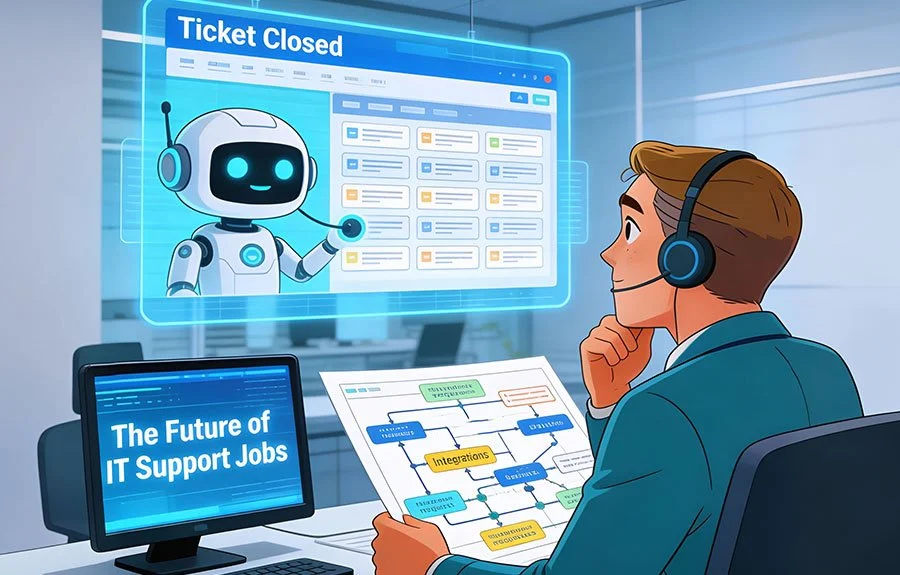
The Future of IT Support Jobs: What Comes After Tier 1
AI is handling password resets, ticket routing, and standard troubleshooting at scale, and that means the headcount for traditional IT support work is shrinking. But the same systems creating that disruption need someone to configure, monitor, and correct them. That role is growing fast, and few people are training for it yet.
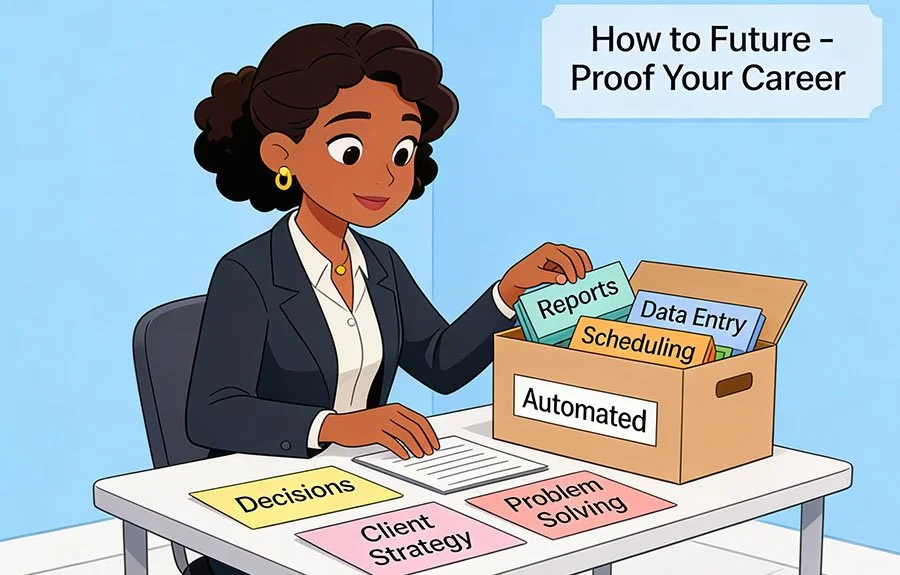
How to Future-Proof Your Career: A Practical Self-Assessment for a Changing Job Market
Knowing that AI is changing the job market is one thing. Knowing what it means for your specific role is another. This article gives you a practical framework for identifying which parts of your work are most at risk, which are hardest to replace, and what moves you can make right now to stay competitive for the future.